


Racing Legends
Demonstration drives on the track
A maximum of 100 vehicles will be admitted to participate after a rigorous selection process. Starting in 2026, there will be a total of five classes. There are four different classes for vehicles built before 1980 and a Sports & Racing class for vehicles built before 2000.
The popular monoposto racing cars, which are mostly single-seaters with rear engines, will be advertised and approved in two classes in 2026: vehicles up to 1961 and then separately vehicles from later model years up to a maximum of 1990.
Note on monoposto registration: A minimum of 10 registrations are required to form the starting field.
Old racing cars, as well as modern-day fast racing cars – built between 2001 and the present day – will take to the track at the Grand Meeting after a special selection process.
Important: In all participation areas, the booking for participation is valid and complete when participants have completed the booking via the online shop and paid the total amount (entry fee plus additional optional services) in the shop.
In the event of a large number of entries and a wide variety of vehicles, a selection committee will make a decision no later than 10 days after receipt of the entry form and payment.

Gentlemen …
start your engines!
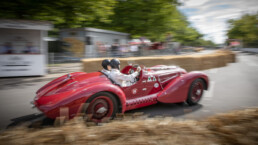
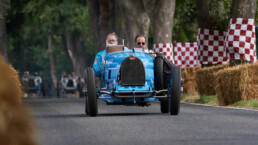
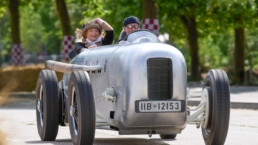

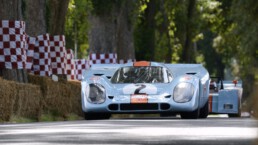
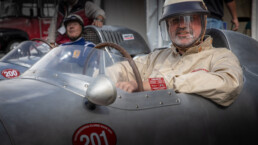
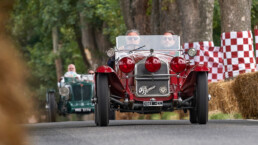
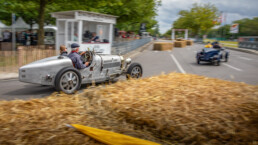
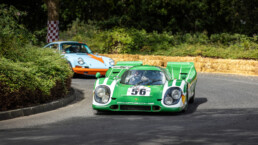
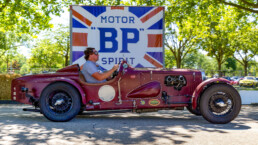
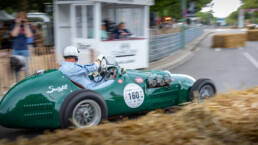


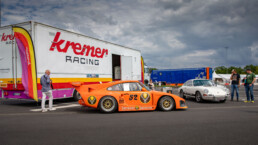
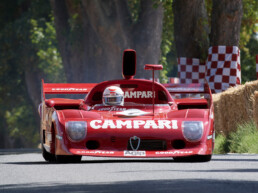
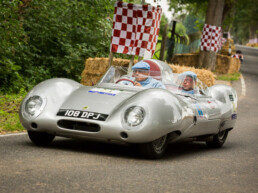
At Racing Legends, historic sports and racing cars demonstrate what motorsport was all about in the past on a 2.5-kilometre track. In addition, there are demonstration drives of rare collector’s items and factory museum vehicles on the tree-lined circuit around the Birkhof manor. Driving historic vehicles and experiencing them in action has always been an integral part of Classic Days.
Remembering Wolfgang Graf Berghe von Trips
On 10 September 1961, Wolfgang Alexander Reichsgraf Berghe von Trips was killed in an accident during a Formula 1 race in Monza. He was leading the world championship standings ahead of Phil Hill. With a victory in Monza, Count Trips could have won the world championship ahead of schedule.
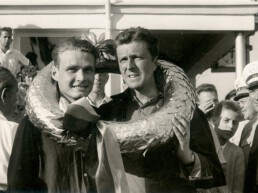
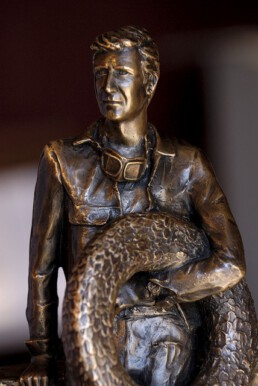
Unfortunately, shortly before the Parabolica curve, his car collided with Jim Clark’s car and overturned on the embankment. ‘Taffy’ – Count Trips – was thrown out and died instantly. It was the dramatic end to the unique career of a chivalrous sportsman.
Count Trips was the first German to sign a contract as a Formula 1 racing driver for Ferrari. He competed in races with Mercedes, Porsche and Stanguellini, and eventually began developing his own Formula Junior racing car for young talent – the TCA (Trips Colotti Auto Union). Count Trips also brought two karts from America at the end of the 1950s and had Germany’s first kart track built in Horrem.
Count Trips is posthumously voted Sportsman of the Year 1961. The memory of Wolfgang Graf Berghe von Trips and his fair sporting conduct is deliberately kept alive at the Classic Days.
Racing Legends Classes
Cars / Racing cars, Sports cars
- Classic – Class built between 1910 and 1925 (only 15 vehicles permitted)
- Historic – Class built between 1926 and 1949 (only 18 vehicles permitted)
- Modern – Class built between 1950 and 1965 (only 18 vehicles permitted)
- Legends – Class built between 1966 and 1980 (only 18 vehicles permitted) – NEW
- Sports & Racing – Class built between 1980 and 2000 (only 18 vehicles permitted) – NEW
Formel Monoposto
At least 10 registrations in total are required to form the starting field.
- Class: until 1961
- Class: later model years
The vehicles are housed in their own paddock. The racing monopostos, motorcycles and three-wheelers are located in the ‘New Paddock’. This is where the pre-start to the track takes place. A separate logistics car park is available for trailers and transporters.